

Swimmers require a specialized diet to optimize their performance and recovery. This article outlines 10 nutritious and healthy meal categories that are essential for swimmers. Each category is designed to fulfill specific nutritional needs, ensuring swimmers are well-fueled for both training and competitions.
Key Takeaways
- Incorporate carbohydrate-rich foods for energy replenishment.
- Include proteins to aid muscle recovery and growth.
- Opt for low-fat and low-fibre foods before competitions to avoid discomfort.
- Utilize energy bars for quick, convenient nutrition on the go.
- Balance the diet with healthy fats, complex carbohydrates, and hydration to maintain overall health and performance.
1. Carbohydrate-Rich Foods

Carbohydrates are a swimmer’s best friend when it comes to fueling up for intense training sessions or competitions. Carbohydrates are crucial for replenishing the glycogen stores depleted during swimming, providing the necessary energy for recovery and preparing the body for future physical activities. Here are some top picks for carbohydrate-rich foods that can help boost a swimmer’s performance:
- Rice, pasta, bread, and potatoes: These staples are not only delicious but also pack a powerful punch of energy.
- Wholegrain cereals and oats: Ideal for long training sessions, they provide slow-releasing energy.
- Fruits like bananas and apples: Offer quick energy and are easy to digest. Bananas are particularly beneficial as they also provide potassium, which aids in muscle function.
- Sports gels and gummies: These are concentrated sources of carbohydrates and are perfect for those moments when you need a quick energy boost without the hassle of chewing.
Remember, combining these carbohydrate-rich foods with proteins and healthy fats can create a balanced meal that maximizes a swimmer’s performance and recovery.
2. Proteins
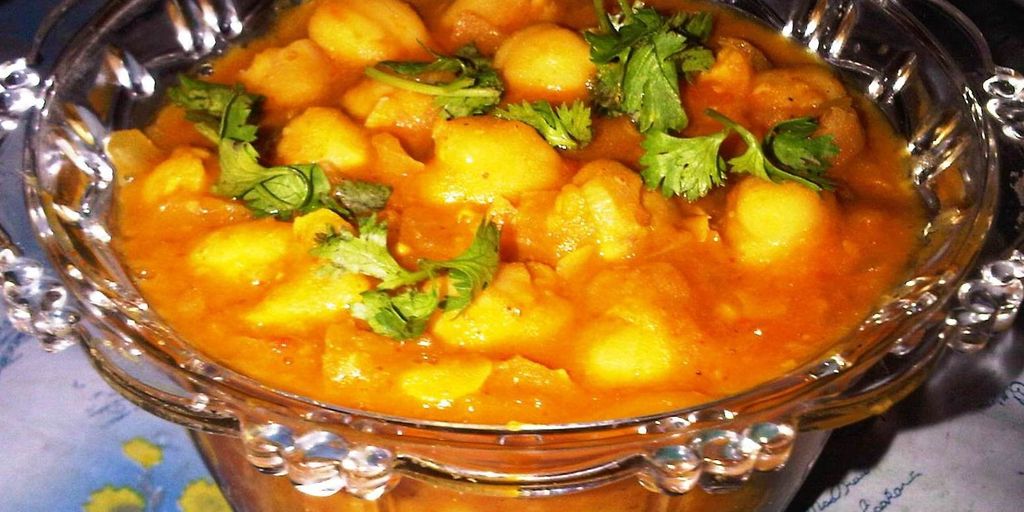
Proteins are crucial for swimmers not just for muscle repair but also to prevent muscle breakdown during intense training sessions. Here’s a quick guide on some protein-rich foods that are perfect for swimmers:
- Eggs: A versatile option, perfect for any meal of the day. They can be boiled, scrambled, or whipped into an omelette.
- Greek Yoghourt: Packed with protein, it can be a delicious snack when combined with fruits or a drizzle of honey.
- Nut Butter: Great when spread on whole grain toast or crackers, providing a good balance of protein and healthy fats.
Remember, incorporating a variety of protein sources ensures a balanced diet and aids in muscle repair and recovery after your swim.
3. Low-Fat And Low-Fibre Foods

When it comes to swimming, what you eat before hitting the pool can make a big difference in your performance and comfort. It’s generally advisable to avoid high-fat and high-fibre foods right before training as they can cause discomfort or gastrointestinal issues. Instead, opt for meals that are easy on the stomach yet provide enough energy to keep you going.
Here are some swimmer-friendly options:
- Lean Meat Sandwiches: Using whole grain bread and lean meats like turkey or chicken.
- Smoothies: Made with low-fat yoghurt and fruits, they can be a light yet energy-packed option.
Remember, the goal is to feel light and agile in the water, not weighed down!
4. Energy Bars

Energy bars can be a convenient source of carbohydrates and protein, making them an excellent choice for swimmers looking to maintain energy levels during long training sessions. It’s crucial to select bars that are balanced in nutrients and low in added sugars to avoid any gastrointestinal discomfort.
When choosing an energy bar, focus on those that are easily digestible and provide sustained energy.
Here are some tasty options that are popular among athletes:
- Raspberry, almond & oat breakfast cookies
- Breakfast muffins
- Healthy pumpkin muffins
Remember, the goal is to keep your energy levels consistent without overloading your digestive system.
5. Complex Carbohydrates

Complex carbohydrates are a swimmer’s best friend when it comes to sustained energy release. These nutrients are digested slowly, which helps in maintaining stable blood sugar levels and avoiding energy spikes and crashes. It’s crucial for swimmers to include foods like whole grains, nuts, beans, brown rice, and a variety of fresh and dried fruits and vegetables in their diet.
When planning your meals, think of complex carbohydrates as the fuel that keeps you going strong without burning out too quickly.
Here are some top picks for complex carbohydrate sources:
- Whole grains (like oats and whole wheat)
- Nuts (almonds, walnuts)
- Beans (black beans, lentils)
- Brown rice
- Fresh fruits (apples, bananas)
- Dried fruits (raisins, apricots)
Including these foods in your diet will not only help you maintain energy during long swim sessions but also aid in overall health and muscle repair.
6. Healthy Fats
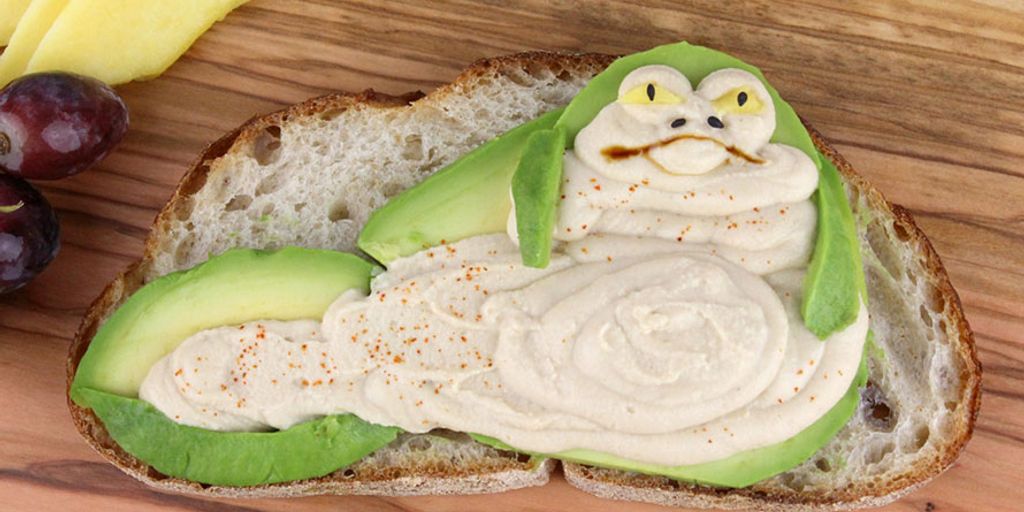
In the world of swimming, healthy fats are essential for maintaining long-lasting energy and supporting overall health. Contrary to popular belief, not all fats are bad. Unsaturated fats, found in foods like almonds, olive oil, avocados, and fatty fish such as salmon or tuna, are particularly beneficial. These fats not only help you feel full and manage weight but also provide a dense source of energy, which is crucial during extended swim meets.
Healthy fats like those found in avocados, nuts, seeds, and olive oil provide energy and support brain function.
Here’s a quick list of foods rich in healthy fats that you should consider incorporating into your diet:
- Almonds
- Olive oil
- Avocados
- Salmon or tuna
- Nuts and seeds
Remember, a balanced diet that includes healthy fats can help you avoid the temptation of excessive carbo-loading and maintain energy levels throughout your swim meets.
7. Easily Digestible Snacks
When you’re gearing up for a swim or winding down from an intense session, opting for easily digestible snacks is crucial. These snacks are rich in carbohydrates and gentle on your stomach, ensuring that you get quick energy without the burden of heavy digestion.
Here are some top picks for snacks that are both nutritious and easy to digest:
- Bananas
- Apple sauce
- Pita chips
- Bagels
- Dried dates
- Energy bars
- Pretzels
- Energy chews/gels
- Chocolates
- Orange slices
- Homemade energy mix: 1 cup dry cereal + ½ cup dried fruits + 1 cup pretzels
- BelVita breakfast biscuit pack + blueberries
- Fruit cups (packed in juice or water)
- Sports gels
- Sports gummies
- Fig bar + apple slices
- Granola bar + grapes
- Instant oatmeal packets
Remember, the goal is to fuel up without feeling weighed down. These snacks are perfect for keeping your energy levels high and your stomach light.
8. Water Or Energy Drink
Swimmers can become dehydrated due to sweat loss despite being in the water. So, drinking plenty of water is a must. You may also consider sports drinks to replenish electrolytes and provide additional carbohydrates. For most training sessions, water is sufficient to meet hydration needs. However, if training for maximum performance, or during very long training sessions, sports drinks can be useful as they provide carbohydrate for fuel and electrolytes and fluid for hydration goals.
Sports drinks such as Gatorade are formulated to provide hydration and replenish electrolytes during prolonged activities. They are a practical choice for swimmers who need to maintain energy levels and hydration.
- Stay hydrated with water or sports drinks.
- Include electrolytes in your hydration plan.
- Choose drinks that provide carbohydrates for sustained energy.
9. Avoid Simple Sugars
When it comes to fueling for swimming, avoid simple sugars that can lead to rapid spikes in your blood sugar levels. These quick energy sources, like candy, soda, and baked goods, might seem tempting, especially when you need a quick boost, but they’re not the best choice for sustained performance. Instead, focus on foods that provide a steady release of energy.
Simple sugars cause rapid spikes in blood sugar levels, which can affect your performance negatively.
Here’s a quick list of common simple sugars to avoid:
- Candy
- Soda
- Baked goods with high sugar content
- Sugary cereals
- Energy drinks that are not specifically designed for athletes
10. Food Swimmers Should Avoid

Swimmers, like all athletes, need to be mindful of their diet, not just what to eat but also what foods to avoid. Certain foods can negatively impact a swimmer’s performance, energy levels, and overall health. Here are some types of foods that swimmers are generally advised to avoid:
- High-Fat Foods: Foods that are high in fat, especially saturated and trans fats, can slow digestion and make athletes feel sluggish. This includes fried foods, certain cuts of red meat, and full-fat dairy products.
- Highly Processed Foods: Processed foods contain substantial amounts of sodium and preservatives that can harm a swimmer’s health and performance. These include fast food, chips, and some frozen meals.
While swimmers require foods rich in complete proteins, it is difficult to digest these foods during a workout. So while high protein foods are a valuable asset, eating lots of protein during workout could be disastrous.
Discover the essential knowledge on foods that swimmers should steer clear of to maintain peak performance in our latest article, ’10. Food Swimmers Should Avoid’. This guide is crucial for anyone looking to optimize their swimming regimen. Dive deeper into this topic and enhance your swimming journey by visiting our website for more insightful articles and resources.
Wrapping It Up
As we’ve explored in this article, the right nutrition can significantly enhance a swimmer’s performance. Remember, it’s not just about eating healthy, but also about timing your meals correctly to fuel your body for both training and competitions. Whether it’s a hearty pre-workout meal, a quick snack during a meet, or a recovery boost post-swim, each meal plays a crucial role. Keep experimenting with the meals and snacks we’ve discussed to find what works best for your body and swimming schedule. Here’s to making every lap count with the power of proper nutrition!
Frequently Asked Questions
Is a swimmer’s diet different from other athletes?
Yes, swimmers require a diet specifically tailored to support their high energy expenditure and recovery needs, which includes a higher intake of carbohydrates and proteins.
Do swimmers need to take dietary supplements?
While a well-balanced diet should provide all necessary nutrients, some swimmers might need supplements, especially for vitamins and minerals, under the guidance of a healthcare professional.
How can swimmers ensure they are getting enough vitamins and minerals?
Swimmers should focus on a varied diet rich in fruits, vegetables, lean proteins, and whole grains to ensure they receive a broad range of vitamins and minerals.
Are there any special nutritional considerations for young swimmers?
Young swimmers need sufficient calories to support growth and training. It’s important to focus on nutrient-dense foods and maintain proper hydration.
What should swimmers eat before a competition?
Swimmers should eat carbohydrate-rich foods that are easy to digest, such as fruits, bread, or pasta, to ensure they have enough energy for the event.
What are some optimal post-swim foods for recovery?
After swimming, it’s important to consume a mix of carbohydrates and protein to aid in recovery. Options include yogurt with fruit, a turkey sandwich, or a smoothie.
AUTHOR
Sang Nguyen
Sang Nguyen is a former national swimmer for Vietnam who has transitioned into coaching. With a passion for fostering a healthy swimming community and connecting like-minded individuals,......Read More
BLOG
Maybe You Are Interested
Good Swim Meet Snacks: What to Eat for Optimal Performance
Good nutrition is crucial for swimmers to maintain energy, recover quickly, and perform at their...
Read More...Optimizing Your Performance: The Best Diet for Swimming Training
Optimizing your performance in swimming is not just about rigorous training; it’s equally crucial to...
Read More...Achieve Peak Performance with This Diet Chart for Swimmers
Whether you’re a novice or an expert swimmer, understanding the right diet is crucial for...
Read More...Eating Like a Champion: Exploring the Diet of Michael Phelps
Michael Phelps, renowned for his Olympic triumphs, has a diet as extraordinary as his swimming...
Read More...A Comprehensive Diet Plan To Gain Weight For Swimmers
Swimming is a demanding sport that requires meticulous attention to nutritional needs to optimize performance,...
Read More...Nutritional Guidelines for Young Swimmers: Optimizing Performance
Navigating the nutritional needs of young swimmers is crucial for enhancing performance and maximizing their...
Read More...