

Optimal nutrition is crucial for swimmers, especially before a meet, as it significantly impacts performance. The right food choices not only provide the energy needed for competition but also aid in recovery and maintaining stamina throughout the event. This article explores how to choose the best foods before a swim meet to ensure peak performance.
Key Takeaways
- Incorporate high-carbohydrate meals the day before to maximize energy reserves.
- Opt for light, nutritious breakfasts on the day of the meet to kickstart your day without feeling heavy.
- Timing your meals is crucial to avoid discomfort while swimming and to optimize energy levels.
- Stay hydrated before, during, and after the meet to maintain performance and aid recovery.
- Post-swim recovery should include proteins and carbohydrates to replenish energy and repair muscles.
Fueling Up: What to Eat the Day Before Your Swim Meet
Carb-loading for Energy
Carb-loading is key to maintaining steady energy levels during the intense competition of a swim meet. Focus on complex carbohydrates like whole grain pasta, brown rice, and quinoa. These foods provide long-lasting energy without spiking your blood sugar.
Balancing Meals with Proteins and Fats
Incorporate a balance of proteins and fats to support muscle recovery and energy. Opt for lean proteins like chicken or fish, and healthy fats from avocados or nuts. This combination helps in sustaining energy and muscle function.
Hydration Strategies
Stay hydrated with water and electrolyte-rich drinks. Begin hydrating the day before to ensure optimal performance. Avoid sugary drinks that can lead to dehydration and instead, choose water or sports drinks that replenish electrolytes efficiently.
Morning of the Meet: Kickstart Your Day
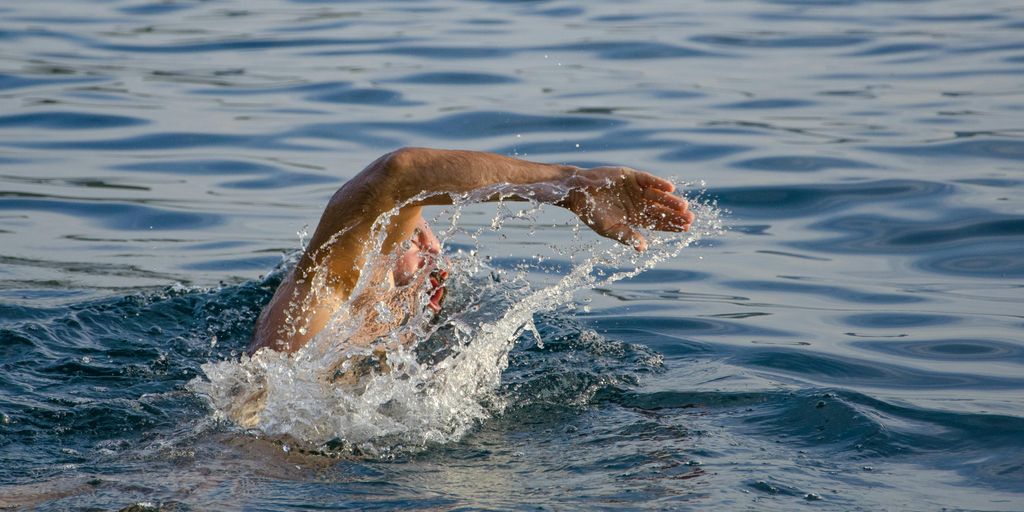
Light and Energizing Breakfast Ideas
Start your meet day with a breakfast that’s both light and energizing. Opt for high-carb, easy-to-digest options like bagels, smoothies, and granola bars. These foods provide the quick energy you need without weighing you down. Pair them with a good source of protein such as scrambled eggs or Greek yogurt to help sustain your energy levels throughout the competition.
The Importance of Hydration
It’s crucial to stay hydrated, especially on the day of the meet. Begin your day with a glass of water and continue to sip regularly before and during the meet. Consider adding a slice of lemon or a splash of juice for some extra flavor and nutrients.
Last Minute Nutrition Tips
Don’t forget to time your meals properly. Eating your breakfast at least two hours before the swim allows your body to digest and convert food into energy. Keep snacks like fruits or energy bars handy for a quick boost right before your events.
Pre-Swim Nutrition: Timing Your Meals
Best Food to Eat Before a Swim Meet
To ensure you’re at your peak performance, focus on high-carbohydrate meals and snacks. These provide the necessary energy to power through your swim meet. Consider options like oatmeal, bananas, or a bagel with honey about 1-2 hours before your event to optimize digestion and energy levels.
Understanding Digestion Timing
Timing is key when it comes to pre-swim nutrition. Eating too close to your swim time can lead to discomfort, while eating too early might leave you drained. Aim to have your main meal 3-4 hours before the event, and a lighter snack 30-60 minutes prior. This strategy ensures that you have the energy without the bloat.
Snacks for Sustained Energy
During the meet, take advantage of breaks to refuel with easily digestible snacks. Good options include energy bars, fruits like apples or pears, and small sandwiches. These snacks help maintain your energy levels without overloading your stomach, making sure you’re ready for each race.
Remember, proper nutrition can significantly impact your performance. Plan your meals and snacks to keep energy levels high and consistent throughout the meet.
During the Meet: Maintaining Your Energy

Optimal Snacks for Quick Energy
Carbohydrates are key for quick bursts of energy during the meet. Think simple, easily digestible carbs like bananas, energy bars, or a small serving of sports gel. These snacks should be readily available in your bag or locker to grab between events.
Hydration on the Go
Staying hydrated is crucial, and not just with water. Include drinks that offer electrolytes to replenish what you lose in the pool. A water bottle should be your constant companion, and sipping regularly can prevent both dehydration and overhydration.
Balancing Electrolytes and Fluids
It’s not just about drinking water. You need to balance your electrolytes to avoid cramps and optimize performance. Sports drinks can be a good choice here, but be wary of those with too much sugar. Small, frequent sips during the meet can keep you at your best without feeling bloated.
Remember, proper nutrition during swim meets can give you the energy and stamina you need to perform at your best. So, plan your meals and snacks accordingly, and make sure to stay hydrated throughout the day. Good luck and swim your heart out!
Post-Swim Recovery Foods
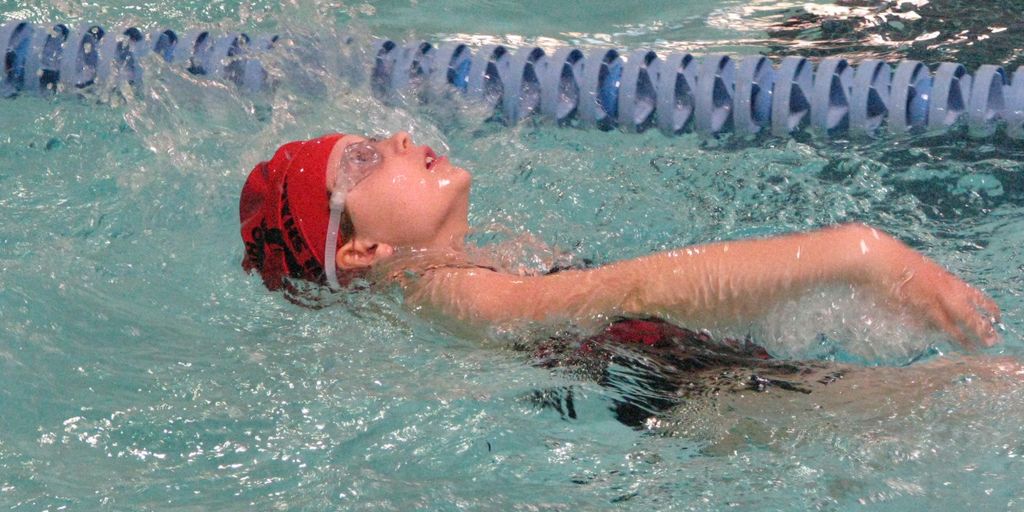
Replenishing Energy with the Right Foods
After you’ve given it your all in the pool, it’s crucial to refuel effectively. Carbohydrates are essential for replenishing glycogen stores used during your swim. Think about including foods like rice, pasta, and fruits in your recovery meal. These will help restore your energy levels quickly and efficiently.
The Role of Proteins and Carbs
Proteins play a key role in muscle repair and recovery post-swim. Combining proteins with carbs not only aids in muscle recovery but also helps in the efficient restoration of energy levels. A balanced meal might include chicken or fish with a side of quinoa or sweet potatoes.
Hydration for Recovery
Rehydrating after a swim meet is just as important as eating the right foods. Water is your best friend here, but incorporating electrolyte-rich drinks can help restore the balance of fluids in your body. Make sure to drink plenty of fluids to aid in the recovery process and prepare for your next challenge in the pool.
Special Considerations for Swimmers

Dietary Restrictions and Alternatives
Every swimmer is unique, and so are their dietary needs. Swimmers with dietary restrictions should explore alternatives that fit their nutritional requirements without compromising performance. For instance, gluten-free or dairy-free athletes can opt for plant-based proteins and calcium-rich alternatives like almond or soy milk.
Allergies and Sensitivities
It’s crucial to identify and manage any food allergies or sensitivities to maintain optimal health and performance. Swimmers should work closely with a nutritionist to tailor their diet and avoid potential allergens, ensuring they’re not left at a competitive disadvantage.
Using Supplements Wisely
Supplements can play a role in a swimmer’s nutrition plan, but they should be used judiciously. It’s essential to choose supplements that are safe, effective, and appropriate for the swimmer’s age and training demands. Consulting with a sports dietitian can help determine the right supplements to complement a balanced diet.
Remember, what works for one swimmer may not work for another. Seeking professional advice is essential to develop a nutrition plan that suits your individual circumstances.
Long-Term Nutrition Strategies for Swimmers

Building a Balanced Diet
Building a balanced diet is crucial for swimmers looking to maintain peak performance year-round. Include a variety of lean proteins, carbohydrates, fruits, vegetables, nuts, seeds, and whole grains. Regularly consulting with an Accredited Sports Dietitian can help tailor your diet to your specific needs and goals.
Preparation for Seasonal Meets
As the season approaches, preparation is key. Plan your meals and snacks to optimize fueling and recovery. This includes staying hydrated and having snacks ready, especially when suitable food options are not available.
Consistency in Nutritional Habits
Consistency in your dietary habits ensures that your body always has the nutrients it needs to perform at its best. Carry a water bottle with you to ensure regular fluid consumption and avoid detrimental mindsets that can compromise your health or performance.
Discover the secrets to optimal performance with our ‘Long-Term Nutrition Strategies for Swimmers’. This guide is essential for anyone looking to enhance their swimming through effective nutrition. Dive deeper into our comprehensive strategies and join a community dedicated to swimming excellence. Visit our website to learn more and take your swimming to the next level!
Conclusion
In wrapping up, remember that the food you choose before and during a swim meet can significantly impact your performance. Opt for whole, nutritious foods that provide lasting energy and avoid those quick, empty calories. Hydration is just as crucial, so keep that water bottle handy! By planning your meals and snacks wisely, you’re setting yourself up for success. Dive into your swim meets with confidence, knowing you’ve fueled your body to perform at its best. Swim strong and have fun!
Frequently Asked Questions
What should I eat the day before a swim meet?
Focus on high-carbohydrate meals to maximize energy storage. Include whole grains, pasta, and rice, and balance these with lean proteins and healthy fats for optimal nutrition.
How can I ensure I’m hydrated enough for a swim meet?
Increase your fluid intake the day before the meet and continue drinking water regularly on the day of the event. Avoid sugary drinks and opt for water or electrolyte solutions to maintain hydration levels.
What are the best foods to eat on the morning of a swim meet?
Choose light and easily digestible foods such as oatmeal, bananas, or a small yogurt. Avoid heavy, fatty foods that can slow you down.
What snacks are good for maintaining energy during a swim meet?
Opt for snacks that provide quick energy without heaviness, such as fruits like bananas or apples, energy bars, or small sandwiches with lean protein.
How should I handle nutrition if I have dietary restrictions?
Consult with a nutritionist to tailor a meal plan that accommodates your specific dietary needs while ensuring you receive all necessary nutrients for swimming performance.
What is the best post-swim recovery food?
After swimming, replenish your energy with a combination of carbohydrates and proteins. Good options include a protein shake, a sandwich with lean meats, or a rice bowl with vegetables and protein.
AUTHOR
Sang Nguyen
Sang Nguyen is a former national swimmer for Vietnam who has transitioned into coaching. With a passion for fostering a healthy swimming community and connecting like-minded individuals,......Read More
BLOG
Maybe You Are Interested
Good Swim Meet Snacks: What to Eat for Optimal Performance
Good nutrition is crucial for swimmers to maintain energy, recover quickly, and perform at their...
Read More...Optimizing Your Performance: The Best Diet for Swimming Training
Optimizing your performance in swimming is not just about rigorous training; it’s equally crucial to...
Read More...Achieve Peak Performance with This Diet Chart for Swimmers
Whether you’re a novice or an expert swimmer, understanding the right diet is crucial for...
Read More...Eating Like a Champion: Exploring the Diet of Michael Phelps
Michael Phelps, renowned for his Olympic triumphs, has a diet as extraordinary as his swimming...
Read More...A Comprehensive Diet Plan To Gain Weight For Swimmers
Swimming is a demanding sport that requires meticulous attention to nutritional needs to optimize performance,...
Read More...Nutritional Guidelines for Young Swimmers: Optimizing Performance
Navigating the nutritional needs of young swimmers is crucial for enhancing performance and maximizing their...
Read More...