

Preparing the right meals before a swim meet is crucial for optimal performance. This article provides a comprehensive guide on what to eat before, during, and after a swim meet to ensure you are fueled and ready to compete at your best. We’ll cover everything from the ideal pre-race breakfast to recovery meals, and even tips for maintaining a healthy diet when traveling for competitions.
Key Takeaways
- Start your day with a well-balanced breakfast that combats pre-race nerves and provides sustained energy.
- Include a mix of carbohydrates, proteins, and fats in your pre-race meals to balance nutrients and maintain energy levels.
- Hydrate adequately with the right beverages before, during, and after the meet to prevent dehydration and enhance performance.
- Choose snacks wisely—opt for those that are easy to digest and provide a quick energy boost between events.
- Consult with a dietitian to customize your meal plan according to your digestive timing and past experiences, ensuring optimal nutrition for your swim meets.
Kickstarting Your Day: The Swim Meet Breakfast
Choosing the Right Foods
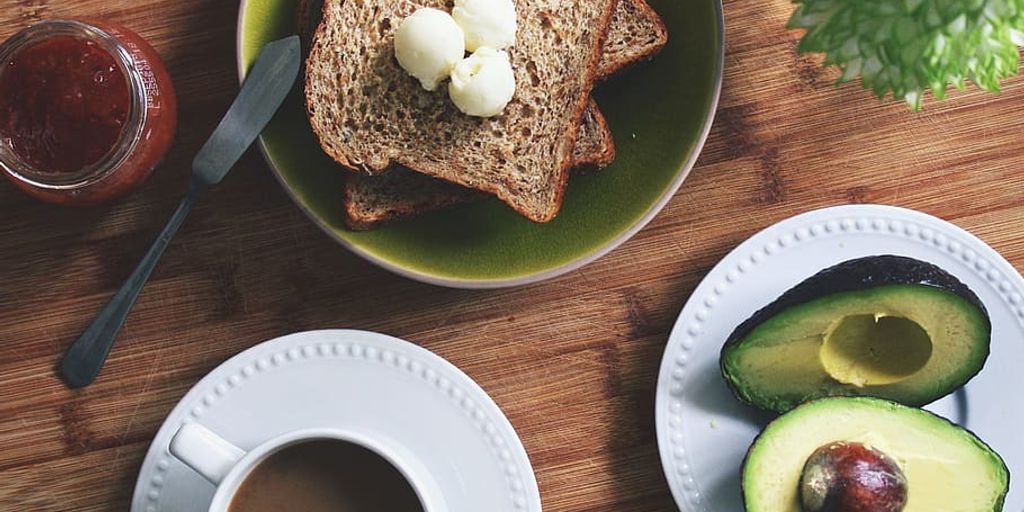
Starting your day with a well-balanced breakfast is crucial, especially on a swim meet day. Opt for a mix of carbohydrates for energy, proteins for muscle repair, and fats for long-lasting fuel. A typical swim meet breakfast might include oatmeal, fruits, and eggs—foods that are easy on the stomach yet packed with nutrients.
Dealing with Pre-Race Nerves
It’s normal to feel a bit jittery before a big race. To manage these nerves, focus on light, easily digestible foods that won’t sit heavy in your stomach. A banana or a small yogurt can be perfect for settling your stomach without feeling overly full.
Timing Your Breakfast
Timing is everything when it comes to your pre-race meal. Aim to eat about three hours before your event to allow your body enough time to digest and convert food into energy. This timing helps ensure that you’re fueled and ready to go without any digestive discomfort.
Remember, the goal is not just to eat, but to eat in a way that maximizes your performance in the water.
Fueling Up: Top Pre-Race Meals
What to Eat
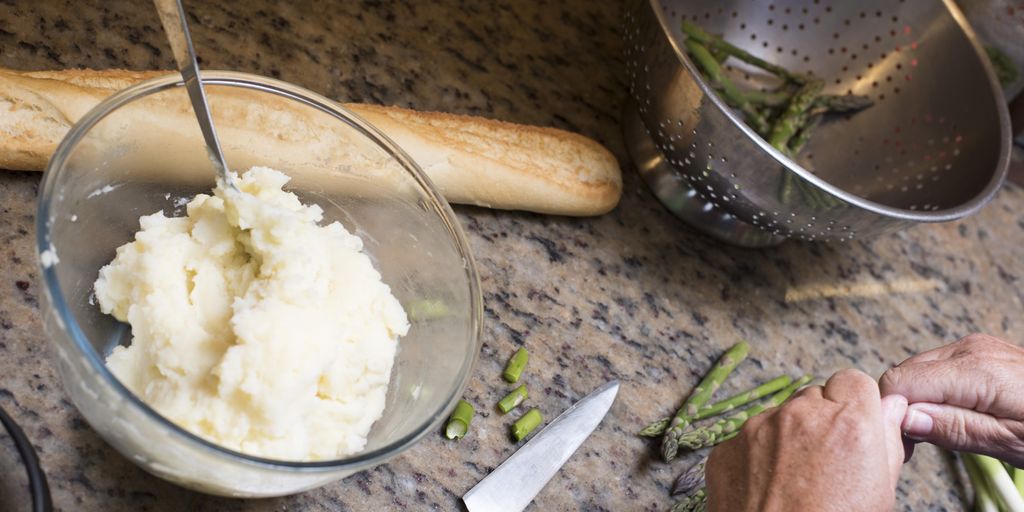
Fuel up with the best food before a swim meet for peak performance. Recommended foods include plain bagels, eggs, fruits, and water. It’s all about finding that perfect balance of carbs, proteins, and fats to keep you going without weighing you down.
When to Eat
Timing meals 2-4 hours before the race is crucial for energy. This allows your body enough time to digest and convert food into energy. Remember, the last thing you want is a stomach upset while you’re in the pool!
Balancing Nutrients
A well-rounded meal should include:
- Carbohydrates for energy
- Proteins for muscle repair
- Fats for longer-lasting energy
Keep it light and balanced; your body will thank you during those intense swim heats!
Snacking for Success: Best Meal Before a Swim Meet
Healthy Snack Options
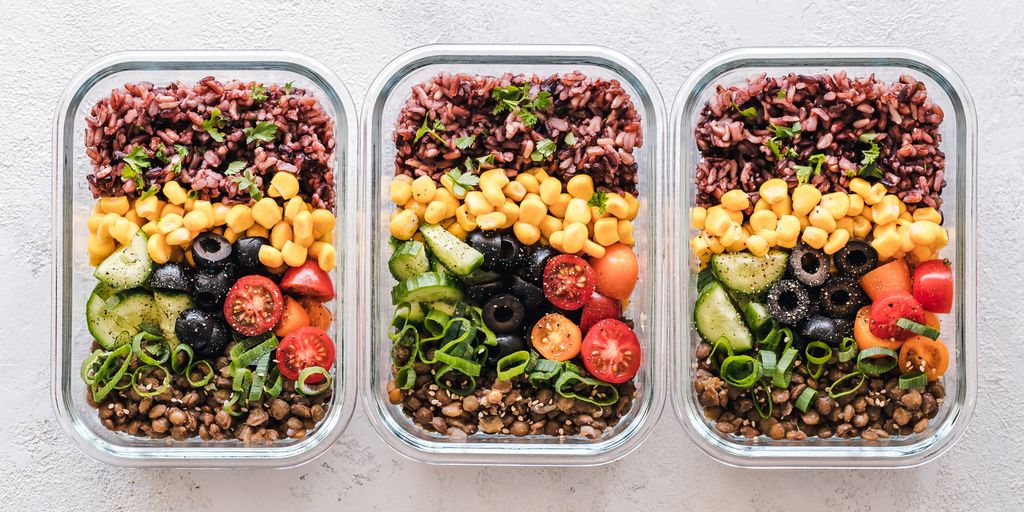
Snacking smart is crucial for maintaining energy throughout a swim meet. Keep a variety of nutritious, ready-to-eat snacks on hand, such as whole-grain crackers, low-fat cheese sticks, fruit, PB&J, and granola bars. These snacks are not only delicious but also provide the necessary fuel to keep you going.
Timing Your Snacks
It’s all about timing! Aim to have a light snack, like fresh fruit or a sports bar, one to two hours before your event. This helps ensure that you have the energy you need without feeling too full or sluggish.
Nutritional Considerations
Remember, the quality of your snacks can make or break your performance. Opt for snacks that are easy to digest and provide a good mix of carbohydrates, proteins, and fats. Avoid heavy, greasy foods that can slow you down. Here’s a quick guide to what you might consider:
- Carbohydrates: Fruit, whole-grain bread, granola bars
- Proteins: Low-fat cheese, yogurt
- Fats: Nuts, seeds
Keep your energy levels consistent by choosing the right snacks and timing them perfectly.
Hydration: Don’t Forget the Liquids
What to Drink
Water is your best friend when it comes to staying hydrated, but don’t overlook the benefits of electrolyte-rich sports drinks, especially during longer sessions. These drinks help replenish the electrolytes lost through sweat and provide a small boost of carbohydrates. For instance, products like DripDrop Electrolyte Powder Packets are highly effective because they mix well and taste great.
When to Hydrate
Hydration isn’t just about drinking during the event. Start your day by consuming 16 oz of water about 2 hours before your swim and another 8-16 oz shortly before diving in. Keep sipping small amounts throughout the event to maintain optimal hydration levels.
Choosing the Right Beverages
While water should be your go-to, for sessions extending beyond an hour, incorporating a sports drink can be beneficial. Look for drinks that contain 6-8% carbohydrates and are designed to be easy on the stomach. Avoid beverages with excessive sugar or caffeine, which can lead to dehydration.
Post-Race Recovery Meals
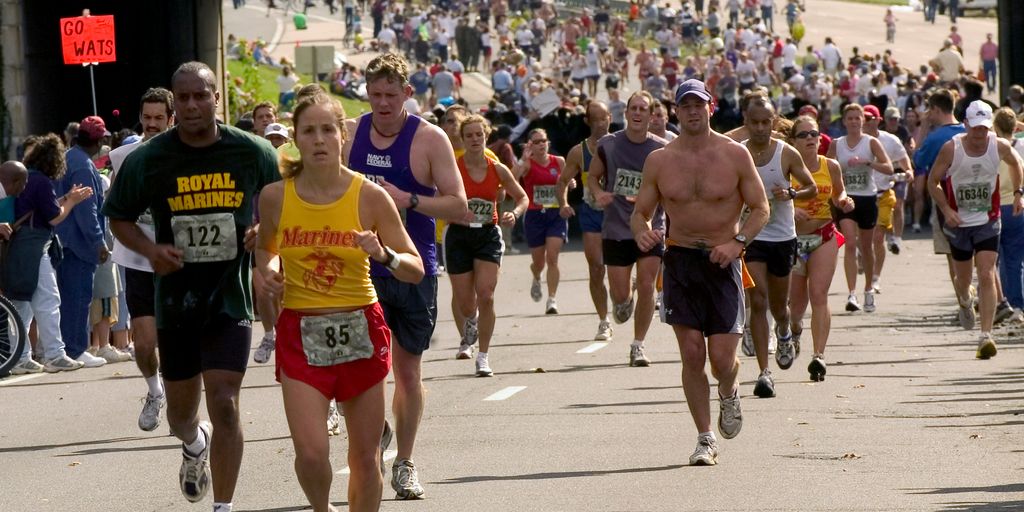
After giving it your all in the pool, it’s crucial to refuel your body to aid in recovery and prepare for your next challenge. Eating enough to fuel your recovery is just as important as your pre-race meal. Here’s how to do it right:
What to Eat After the Meet
- Get some carbs and protein in you within thirty minutes of racing. This is when your muscles are hungriest for energy uptake.
- A protein shake and a banana have long been my staple post race/workout snack.
- For dinner, focus on a protein-rich meal to continue the recovery process.
Timing Your Recovery Meal
- Aim to eat as soon as you can after the race. The first 30 minutes are critical for optimal recovery.
- If your next main meal is very close to your training session, opt for a lighter snack instead of a full meal.
Balancing Macronutrients
- Your post-race meal should balance carbohydrates, proteins, and fats to effectively replenish your body.
- Examples include a fruit smoothie enriched with protein powder, poached eggs on toast, or a ham and cheese sandwich.
Remember, the goal is to replenish energy stores and repair muscles, so don’t skimp on these essential nutrients!
Travel Tips for Eating Right at Away Meets
Packing Your Meals
Come prepared to eat like a champion. Packing your meals ensures you have control over what you eat, avoiding the trap of less-than-awesome food choices. Bring both non-perishable and perishable snacks, using a small cooler if needed. This will require a bit of planning and meal-prepping, but it’s worth it to keep your diet consistent.
Finding Healthy Options on the Go
Research the area you will travel to ahead of time and determine food availability. Identify restaurants that offer good options, and locate grocery stores close to your hotel. If possible, check if you can prepare food in your hotel. This proactive approach helps you maintain a healthy diet even when you’re out of your usual routine.
Staying Consistent with Your Diet
Create a timeline with your swimmer for consuming food and fluids throughout the day. This helps ensure you don’t overeat and maintain your nutritional goals. Remember, eating small portions and often is key, especially if nerves affect your ability to eat normally. If necessary, make sure to consume drinks like Gatorade or Pedialyte to keep the electrolytes high.
Common Mistakes to Avoid
Overeating Before the Race
It’s tempting to load up on a big meal for that extra energy, but overeating before the race can make you feel sluggish. Stick to familiar, easily digestible foods and keep portions reasonable to avoid feeling heavy in the water.
Neglecting Hydration
Hydration isn’t just about drinking water right before you dive in. It’s crucial to maintain a good hydration level throughout the day. Build hydration breaks into your routine to ensure you’re well-prepared.
Skipping Meals
Skipping meals might seem like a good way to avoid feeling full, but it actually leads to decreased energy levels and poorer performance. Ensure you have a balanced meal plan that includes meals and snacks at regular intervals.
Remember, consistency in your diet leads to better performance. Don’t complicate your eating habits unnecessarily!
Listening to Your Body: Customizing Your Meal Plan
Understanding Your Digestive Timing
Every swimmer is unique, and so is their digestive system. Understanding when your body digests food best can significantly enhance your performance. It’s crucial to experiment with different meal timings during training to see what works best for you. This might mean adjusting meal times by an hour or two to avoid discomfort during the race.
Adjusting Meals Based on Experience
As you participate in more swim meets, you’ll start to notice patterns in what meal strategies work best for your body. Use these insights to tweak your meal plan. For example, if a heavier breakfast tends to slow you down, try something lighter or vice versa. Remember, what works for one swimmer might not work for another, so personal experience is key.
Consulting with a Dietitian
If you’re struggling to find the right balance, it might be time to consult with a sports dietitian. They can provide personalized advice based on your specific needs and help you come up with a game plan. In the meantime, here are some tools to support you:
- Plan meals ahead to avoid poor choices.
- Mix up your food types to maintain interest and balance nutrients.
- Regularly assess your dietary strategy and make adjustments as needed.
At Swim Time Log, we understand that every swimmer is unique, and so should be their nutrition plan. Dive into our comprehensive guide on ‘Listening to Your Body: Customizing Your Meal Plan’ to tailor your dietary needs to your swimming routine. For more insights and personalized advice, visit our website and explore our Nutrition section.
Wrapping It Up!
Alright, swim champs! We’ve dived deep into the best meals and snacks to fuel your swim meets. Remember, it’s not just about what you eat, but when you eat it. Keep those pre-race meals balanced and timely, snack smart between events, and don’t forget to hit recovery mode with a good post-meet meal. With these tips, you’re all set to make a splash and swim your best. Now, go conquer that pool!
Frequently Asked Questions
What should I eat for breakfast before a swim meet?
Choose a well-balanced meal that includes carbohydrates for energy, moderate protein, and low fat. Options like oatmeal, fruits, and whole-grain breads are recommended.
How can I manage pre-race nerves at breakfast?
Try to eat familiar, comforting foods and consider mindfulness or breathing exercises to calm nerves. Eating in a quiet, relaxed environment may also help.
What are the best snacks to eat during a swim meet?
Opt for light, energy-boosting snacks like fresh fruits, yogurt pouches, or sports bars, especially if there’s little time between events.
How important is hydration during a swim meet?
Extremely important. Stay hydrated with water or sports drinks throughout the meet to maintain performance and avoid dehydration.
What is a good post-race recovery meal?
After the meet, focus on meals that combine carbohydrates and proteins for recovery. Options like a lean meat sandwich, pasta with vegetables, or a rice and chicken bowl are good choices.
What are some travel tips for eating right at away meets?
Pack portable, non-perishable meals and snacks. Research restaurants and grocery stores near the venue to find healthy options. Try to maintain a consistent eating schedule.
AUTHOR
Sang Nguyen
Sang Nguyen is a former national swimmer for Vietnam who has transitioned into coaching. With a passion for fostering a healthy swimming community and connecting like-minded individuals,......Read More
BLOG
Maybe You Are Interested
Good Swim Meet Snacks: What to Eat for Optimal Performance
Good nutrition is crucial for swimmers to maintain energy, recover quickly, and perform at their...
Read More...Optimizing Your Performance: The Best Diet for Swimming Training
Optimizing your performance in swimming is not just about rigorous training; it’s equally crucial to...
Read More...Achieve Peak Performance with This Diet Chart for Swimmers
Whether you’re a novice or an expert swimmer, understanding the right diet is crucial for...
Read More...Eating Like a Champion: Exploring the Diet of Michael Phelps
Michael Phelps, renowned for his Olympic triumphs, has a diet as extraordinary as his swimming...
Read More...Muscle Gain for Swimmers: Tailoring Your Diet for Strength
Swimming is a demanding sport that requires a tailored approach to nutrition to support muscle...
Read More...A Comprehensive Diet Plan To Gain Weight For Swimmers
Swimming is a demanding sport that requires meticulous attention to nutritional needs to optimize performance,...
Read More...